
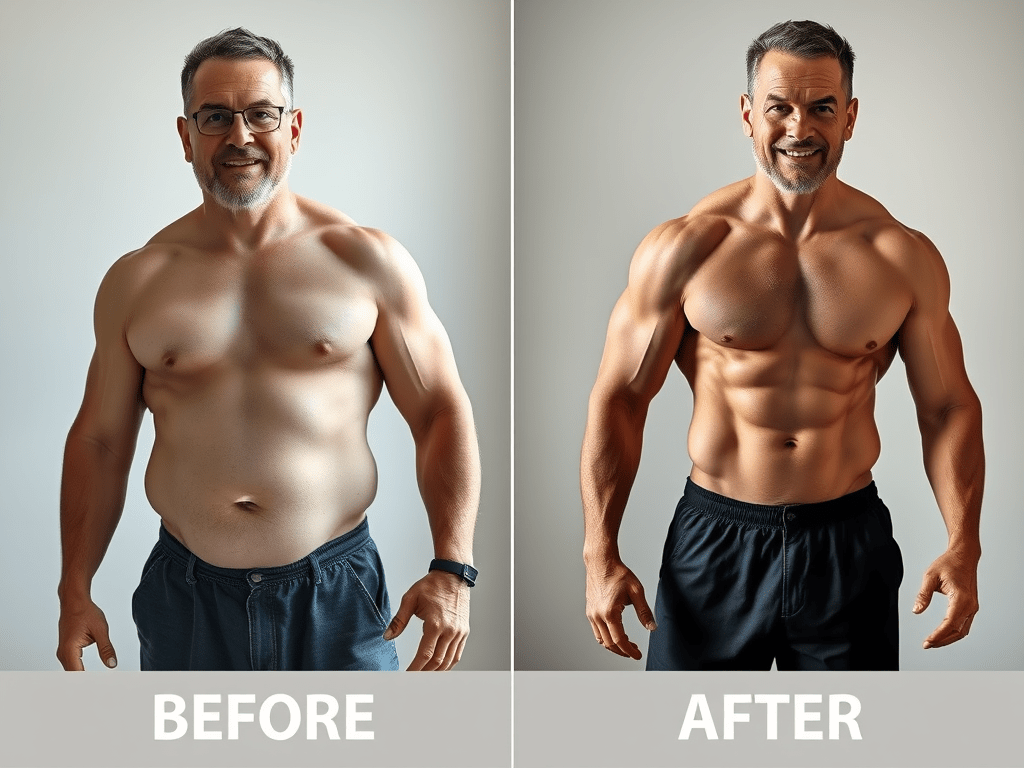
So, you’ve decided to embark on the mythical quest of losing fat while keeping your precious muscle. First of all, good choice—there’s no point in working hard to shed weight only to realise you’ve also shed all your strength, and now picking up your own shopping bags feels like an Olympic event. The good news is it can be done. The bad news? It’ll take a bit of planning, patience, and willpower. But don’t worry—we’re about to make it as simple (and hilarious) as possible.
Let’s dive in, shall we?
Step 1: Set SMART Goals (Because Guessing Won’t Work)
When it comes to fat loss without muscle loss, you need goals that are SMART: Specific, Measurable, Achievable, Relevant, and Time-bound.
Here’s what that might look like:
- Specific: “I want to lose 0.5-1.0 kg per week while maintaining my current strength levels.”
- Measurable: Track your weight weekly, monitor progress photos, and keep tabs on your gym performance.
- Achievable: Don’t aim to lose 5 kg in a week unless you plan on cutting off a limb.
- Relevant: Make sure this goal aligns with your overall fitness objectives (e.g., being stronger, leaner, and less out of breath chasing the dog).
- Time-bound: “I’ll stick to this plan for the next 12 weeks and re-evaluate.”
Remember: slower fat loss (0.5-1.0 kg per week) is sustainable and muscle-sparing. Crash diets belong in the same bin as dodgy “fat-burning teas.”
Step 2: Get Your Calories Right (Maths, but Make It Fun)
Fat loss is simple on paper: calories out > calories in. The trick is not to slash your calories so much that your body thinks it’s in a famine and starts using your biceps as fuel.
Here’s the magic formula:
- Calculate your maintenance calories (the number of calories you need to maintain your weight). Use an online calculator or consult the gym’s local nutrition wizard.
- Create a modest calorie deficit (15-20%).
- If your maintenance is 2,500 kcal, aim for around 2,000-2,200 kcal daily.
- Adjust weekly based on progress. Losing more than 1.0 kg a week? You’re likely sacrificing muscle. Too little progress? Tighten the deficit slightly.
Pro tip: Avoid eating like a rabbit. Fill your plate with protein, fibre, and healthy fats to keep hunger pangs at bay.
Step 3: Lift Heavy Things (And Put Them Back Down)
Strength training is your best friend when it comes to holding onto muscle. But not all resistance workouts are created equal. Your gym time shouldn’t look like a Zumba class with dumbbells.
Best Practices for Resistance Training:
- Reps & Sets: Aim for 8-12 reps for hypertrophy (muscle growth) or 4-6 reps for strength, with 3-4 sets per exercise.
- Compound Movements: Focus on big lifts like squats, deadlifts, bench press, and pull-ups. They work multiple muscle groups and maximise efficiency.
- Rest Periods: Take 1-2 minutes between sets for hypertrophy, and 2-3 minutes for strength training. Use this time to admire your reflection (kidding, mostly).
- Progressive Overload: Gradually increase the weight, reps, or sets over time. If you’re curling the same 5 kg dumbbell for six months straight, you’re doing it wrong.
Strength training signals your body to keep the muscle because it’s needed. Think of it as a “use it or lose it” scenario.
Step 4: Cardio (But Don’t Overdo It)
Cardio is like the seasoning to your fat-loss meal: use just enough to enhance results, but don’t drown your efforts in it. Too much cardio can lead to muscle loss, especially if you’re already in a calorie deficit.
Best Types of Cardio:
- Low-Intensity Steady State (LISS): Walking, cycling, or leisurely swimming for 30-45 minutes. Low stress, easy recovery.
- High-Intensity Interval Training (HIIT): Short bursts of intense activity followed by rest. E.g., 30 seconds sprinting, 1-minute walking, repeat for 15-20 minutes. Efficient but brutal.
- Non-Exercise Activity Thermogenesis (NEAT): Fancy term for being less lazy. Walk the dog, clean the house, park further away—it all adds up.
Pro Tip: 2-3 cardio sessions per week is plenty. Your main focus should still be resistance training.
Step 5: Protein, Protein, and More Protein
Protein is the MVP of muscle preservation. Not only does it keep you full, but it also repairs and builds your muscles after training.
Protein Goals:
- Daily Intake: Aim for 1.6-2.2 grams of protein per kilogram of body weight. For a 70 kg person, that’s 112-154 grams of protein daily.
- Protein Sources: Lean meats (chicken, turkey), fish, eggs, dairy, beans, tofu, and protein powders.
- Timing: Spread your protein intake across meals. Bonus points for a protein-packed breakfast to start the day strong.
Pro Tip: Protein shakes are your friend, but don’t rely on them. Real food is better for satiety and nutrition.
Step 6: Sleep – The Secret Weapon
Sleep is the unsung hero of fat loss and muscle retention. Without enough of it, your hormones go haywire, making fat loss harder and muscle loss more likely.
Sleep Tips:
- Get 7-9 hours per night. Yes, even you, the night owl.
- Create a bedtime routine. No, scrolling TikTok until 1 a.m. doesn’t count.
- Keep your bedroom dark, quiet, and cool. Basically, turn it into a sleep cave.
Remember: You don’t build muscle in the gym. You build it when you’re resting.
Step 7: Monitor Your Progress (Without Obsessing)
Tracking your progress keeps you accountable, but it’s easy to go overboard. Balance is key.
What to Track:
- Weight: Check weekly, not daily (because water weight is a troll).
- Measurements: Track your waist, chest, and other key areas monthly.
- Strength Levels: Are you lifting more over time? Good sign.
- Progress Photos: A picture is worth a thousand scale numbers.
If the scale isn’t moving but you’re looking leaner and lifting heavier, you’re winning.
Step 8: Enjoy the Process (Yes, Really)
Losing fat while keeping muscle isn’t a punishment—it’s an upgrade. Find ways to make it enjoyable:
- Experiment with new recipes (hello, protein pancakes!).
- Challenge yourself with fun fitness goals (like nailing a pull-up).
- Celebrate small wins (fitting into those old jeans deserves a dance party).
And remember: This is a marathon, not a sprint. Be patient, be consistent, and don’t forget to laugh at yourself when you realise you’ve been walking around with broccoli in your teeth.
Final Thoughts: Fat Loss Without Muscle Loss – Your Blueprint
- Set SMART goals that prioritise muscle retention.
- Create a sustainable calorie deficit (slow and steady wins the race).
- Lift heavy and focus on compound movements.
- Do cardio, but keep it balanced.
- Eat enough protein to fuel your muscles.
- Prioritise sleep like it’s your second job.
- Track progress and adjust as needed.
- Have fun with it (yes, really).
Losing fat without losing muscle isn’t about extremes. It’s about consistency, balance, and making small changes that add up over time. So, go forth, conquer your goals, and remember: you’re doing this for a stronger, healthier, and happier you. Now, where’s that protein shake?




 OUTLIVE PERSONAL TRAINING
Leave a comment