
Systems vs Principles: The GOST Model, Biceps, and BJJ Brilliance
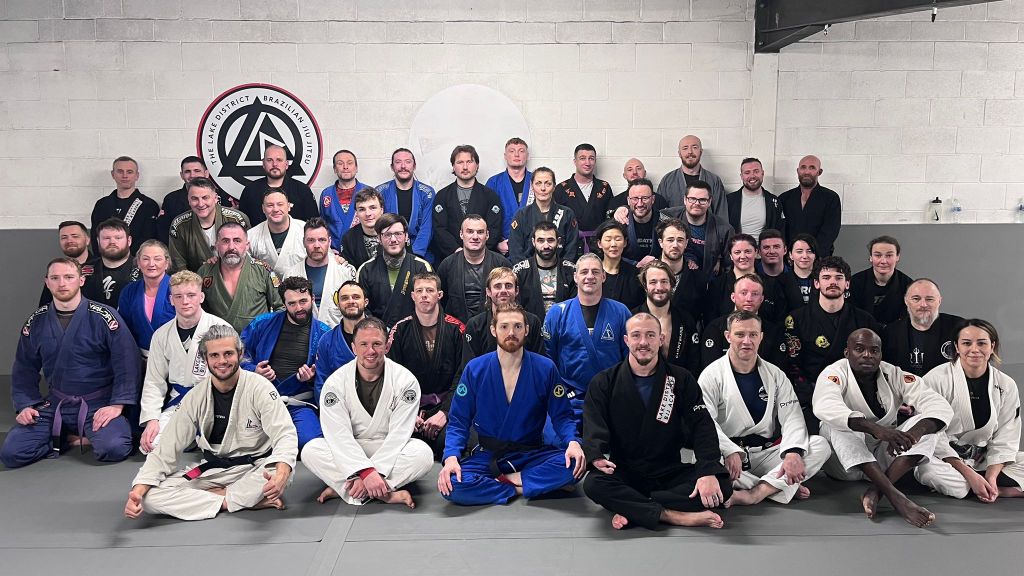
This week’s blog post almost didn’t get written – I mean, I had every excuse to skip a week. A sixish hour journey from London to the Lake District, in some pretty interesting weather, all for a two-day camp with the awesome BJJ champion, Jon Thomas.
Day One was amazing…I’m just about unbroken enough to face Day Two in a few hours, after a dodgy night’s sleep in a sleeping bag on the gym floor (OK, small room next to the dojo mats…but the former sounds “well ‘ard”…or at least more stoic…so that’s where I’ll say I slept if anyone asks. Anyway, it’s not like I’ve never (been) woken up on the mats).
So, whilst lying there, in my sleeping bag…on the mats (uh-hum)…I was going over some of what I’d learned during the seminar, and trying to make some of it stick. Below is another insomnia inspired rant, that might just help someone – you never know?!?
Musings
Let’s talk about two powerful words that can transform your muscle-building, fat-shedding, or Brazilian Jiu-Jitsu (BJJ) progress: Systems and Principles. Think of them as the Batman and Robin of success, each playing a crucial role in your journey. Now, throw in the GOST model (Goals, Objectives, Strategies, Tactics), and you’ve got yourself a proper superhero team ready to fight the arch-villains of plateaus, poor diets, and ineffective training plans.
Grab a cup of tea (or protein shake), and let’s dive into this humorous yet enlightening world of fitness and martial arts. Trust me, by the end, you’ll understand why hiring a Personal Trainer (PT) might just be the ultimate cheat code to success.
Systems: The “Do-It-This-Way” Playbook
A system is like a GPS for your goals. It tells you exactly how to get from Point A (your current self) to Point B (a leaner, stronger, faster you). Systems are the specific plans you follow—structured, repeatable, and dependable.
For muscle gain:
- System: Progressive overload. Week 1, bench press 60kg for 3 sets of 8. Week 2, bench press 62.5kg. Rinse and repeat. Voilà, chesticles.
For fat loss:
- System: Calorie deficit. Eat 500 fewer calories than you burn each day, and over time, you’ll have a closer relationship with your abs than you do with your sofa.
For BJJ improvement:
- System: Drill guard passes for 15 minutes each session. Get swept? No problem—reset and try again. Repeat until it feels as natural as complaining about British weather.
Principles: The “Why-We-Do-It” Philosophy
Principles are the higher-order rules that guide your decision-making when life inevitably goes off-script. They’re less about “how” and more about “why.”
For muscle gain:
- Principle: Muscles grow when challenged. Whether it’s via barbells, dumbbells, or trying to lift your toddler after they’ve eaten a week’s worth of chicken nuggets, the key is to consistently stress your muscles.
For fat loss:
- Principle: Energy balance. Burn more than you consume, and you’ll lose fat. This principle is non-negotiable, no matter how much avocado toast Instagram influencers tell you to eat.
For BJJ improvement:
- Principle: Position before submission. Trying to guillotine someone while they’re mounted on you is like rearranging deckchairs on the Titanic—it’s a losing battle.
Enter the GOST Model: Turning Chaos into Clarity
Now let’s bring in the GOST model to make sense of it all. It’s like an organisational Swiss Army knife for your fitness and BJJ endeavours:
- Goals: The big, audacious dream.
- Example: “I want 16-inch arms.” (We’re looking at you, person measuring their biceps daily.)
- Example: “I want to lose 10kg of fat and keep it off.”
- Example: “I want to win my next BJJ tournament in the Masters 3 category.”
- Objectives: The measurable milestones.
- Example: “Increase arm circumference by 1 inch by Christmas.”
- Example: “Drop 1kg per month until my birthday.”
- Example: “Improve my half-guard sweeps to hit them in live sparring 50% of the time.”
- Strategies: The overarching game plan.
- Example: “Follow a 3-day push-pull-leg dumbbell routine to maximise hypertrophy.”
- Example: “Track calories and macros using an app to stay in a 500-calorie deficit.”
- Example: “Drill half-guard sweeps with my training partner before every class.”
- Tactics: The nitty-gritty, in-the-moment actions.
- Example: “Add an extra set of hammer curls on Saturdays for the biceps peak.”
- Example: “Swap crisps for rice cakes as a snack.”
- Example: “Use an underhook and hip escape to set up the deep half guard.”
Systems vs Principles in Action
Here’s where it gets fun. Systems and principles often interact within the GOST model to keep you on track, no matter the chaos that life (or your opponent in BJJ) throws at you.
Imagine you’re working on fat loss. Your system might involve eating 3 meals a day with specific macro targets. But then… disaster strikes! A surprise office buffet appears, and someone brings cake. Your principle—energy balance—reminds you that a small slice of cake isn’t the end of the world. You enjoy it, adjust your dinner portion slightly, and stay on track. Systems keep you steady; principles keep you flexible.
Or take BJJ. Your system for escaping side control might involve establishing frames, shrimping, and regaining guard. But what if your opponent is 20kg heavier and has a grip like a gorilla? The principle of “stay calm and protect your neck” kicks in. Maybe you don’t regain guard, but you survive long enough to reset and try again.
Fitness Fails Without Systems or Principles
Here’s where many people go wrong: they either rely too heavily on one or completely ignore the other.
- All systems, no principles:
- Following a training program to the letter but ignoring how your body feels. (Knees screaming during squats? Nah, the spreadsheet says 3 more sets!)
- Trying to eat chicken, rice, and broccoli every day without understanding the principle of calorie balance. Cue burnout and a weekend binge.
- All principles, no systems:
- Knowing you need progressive overload for muscle gain but showing up to the gym without a clue of what to do. (Bench press? Deadlift? Maybe some bicep curls…?)
- Understanding energy balance for fat loss but winging it with portions. “This looks like 200 calories.” Spoiler: It’s 600.
How a PT Can Help You Nail It
Now that we’ve established how crucial systems, principles, and the GOST model are, let’s face the truth: it’s a lot to figure out on your own. Between Googling “best hypertrophy programme” and debating whether carbs are the enemy, you’re likely to end up as confused as someone trying to spell “jiu-jitsu” for the first time.
This is where a PT comes in. A good personal trainer:
- Builds systems tailored to your goals.
- Teaches you principles so you can make smart decisions on your own.
- Helps you prioritise the right objectives and strategies to maximise results.
- Keeps you accountable when Netflix and snacks call louder than your gym shoes.
Here’s the kicker: studies show that working with a PT can double your chances of achieving your fitness goals. Whether you want to pack on muscle, shed fat, or choke out opponents with flair, having someone in your corner makes all the difference.
Final Thoughts: Your Next Move
So, what’s it going to be? Keep winging it and hoping for the best, or hire a PT to make your life infinitely easier? Systems, principles, and the GOST model are powerful tools—but like any tool, they’re only as effective as the person wielding them.
If you’re ready to level up, stop overthinking, and start achieving, why not book a session with a PT today? Whether it’s smashing fitness goals or dominating the mats, a little expert guidance can turn your dreams into reality.
And who knows? You might even discover that the road to success isn’t just manageable—it’s actually fun.
Sleep on it…and get back to me!
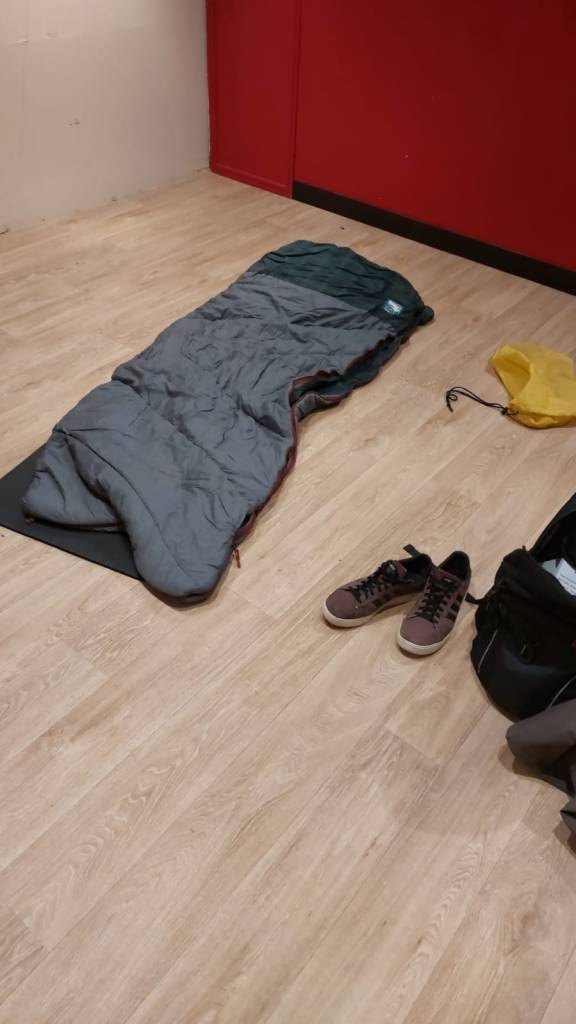
Massive thank you to Sam at Lake District BJJ for letting me crash at the gym! Absolute gent, and great club – bit of a commute for me to make it up regularly though!



 OUTLIVE PERSONAL TRAINING
Leave a comment