

Ah, change. That one unavoidable guest who’s always crashing the party of life, even though we’ve politely declined their RSVP. If you’re like me, you may have experienced this in full force when the rules of your favourite game (or laws, speed limits, world leaders, canteen menus, etc) change or when a new system lands at work.
I had politely requested training for this new technology *four* months in advance, predicting exactly the sort of chaos that would unfold if I wasn’t given a solid foundation to navigate it. Can I learn anything? Yes. Can I learn anything quickly? Hell no. My brain is slower, more reflective…until I’ve done the reps, then I can fly.
Naturally, when day one arrived, there was no training to be found (other than self-study videos and webpage instructions that all led to dead ends as I hadn’t been granted the right permissions to perform the necessary tasks), no break from regular duties, and, of course, no magical extra hours in the day to get to grips with it. This left me sacrificing time with family, missing out on training sessions, and wondering if my new primary duty was actually playing catch-up.
AND…BREATHE…
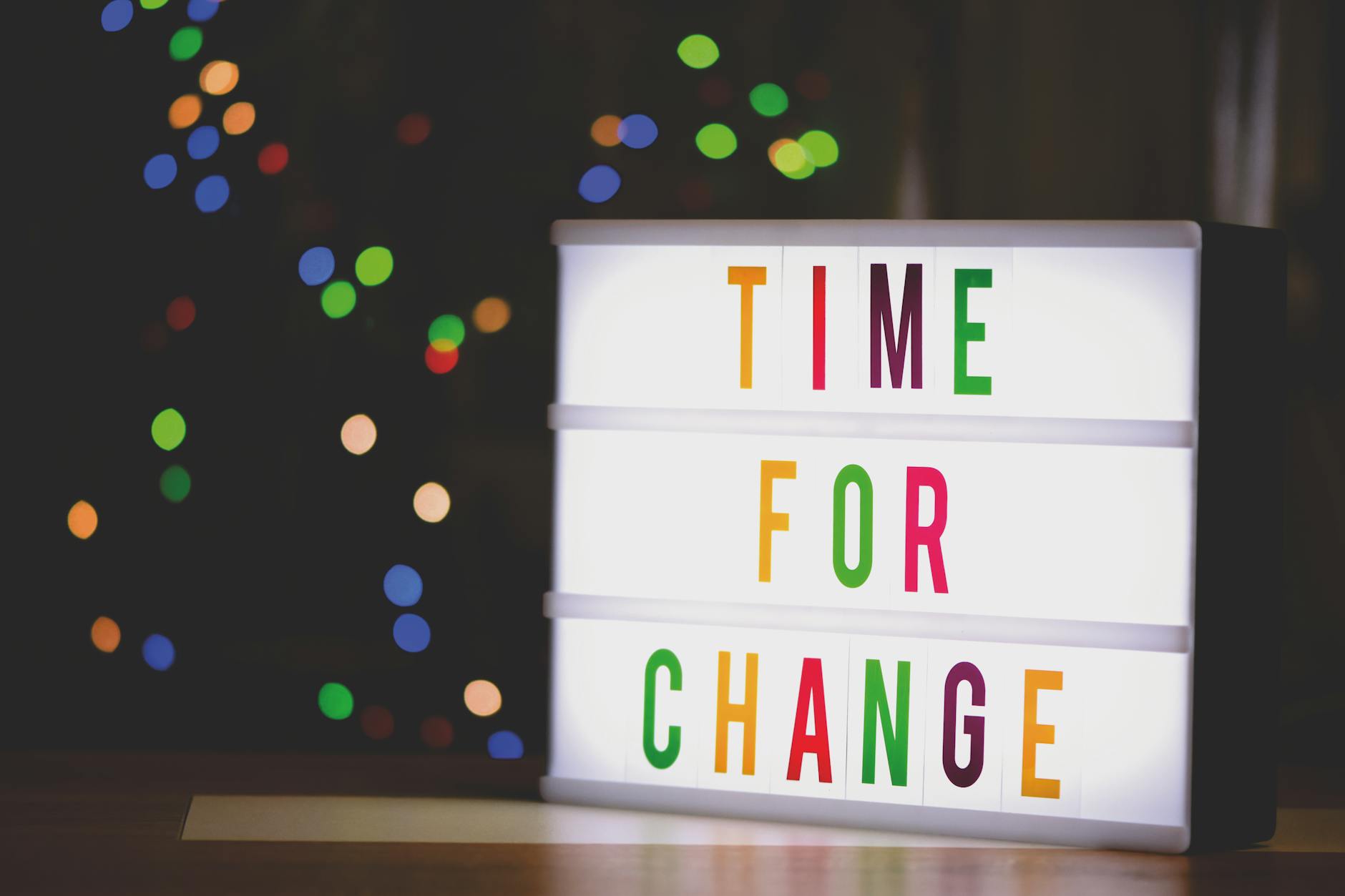
Reflecting on this, I realise that life often throws new challenges our way without the courtesy of a heads-up or even a manual. The funny thing is that, in most cases, these “unexpected” disruptions were actually pretty predictable. And that’s the real lesson: some “unexpected” changes are entirely foreseeable. It’s the universal constants that tend to knock us the hardest – like injury, the inevitability of aging, or the fact that your new work system will launch right before you’ve got all those reports due. But if we have a plan in place – a standard operating procedure (SOP) for when change barges in – then we can actually face these constants with a bit more grace.

SOPs for the Training Life
Let’s start with training. If you’re dedicated, you know that something will likely derail you at some point. Injury, for one, is a lifelong risk for anyone chasing personal records or pushing themselves in the gym. It’s not a matter of *if* it happens, but *when*. That’s why having an injury SOP is a must. For instance:
1. Prioritise Rest and Recovery: When an injury crops up, it’s too easy to fall into the “just push through it” mentality. Instead, the SOP should include a period of rest followed by slow reintroduction to training.
2. Target an Alternative Activity: If your shoulder goes, maybe it’s time to work on cardio. If your knees are out of action, then hello, upper body workouts. Pivot to something you can still do while the injury heals.
3. Nurture a Growth Mindset: This is one that sounds cheesy, but hear me out. Having the expectation that training will hit roadblocks at some point means mentally preparing to view injuries as opportunities to rebuild smarter and stronger – not just setbacks.
Predictable changes like injury don’t have to completely derail your progress. The key is to see the future roadblocks and plan accordingly. Just like a pro chef who preps every ingredient before the first guest arrives, your training SOP can save you from that unplanned time off.
Time Is Not on Our Side (Or Is It?)
Then, there’s aging. When we’re younger, we have this delusional idea that time won’t catch us – that our current abilities and physical capabilities will somehow stay in peak form forever. But sooner or later, our 1 rep maxes start dwindling, and those marathon times stretch further than our hopes and dreams. If we treat aging as this sudden betrayal by our bodies, we’re setting ourselves up for a let-down. Instead, think of it as an inevitability to navigate rather than to resist.
So, what does an SOP for aging look like?
1. Adjust Goals: Shift focus from beating your younger self’s records to improving on *today’s* self. Maybe that means working on endurance over raw power, or focusing on mobility and flexibility. Goals don’t have to diminish – they just need to evolve.
2. Invest in Prehab: Preventative measures like strength training for joints, flexibility routines, and mobility work can fend off many age-related issues. If your knee hasn’t failed yet, make sure it’s well looked after so it doesn’t later.
3. Plan Regular Health Check-ups: Yes, we all hate it, but an annual MOT (that’s Brit speak for health check-up) means catching issues before they become problems.
With an SOP for aging, you’re not looking at decline as an enemy but as a manageable variable in your training formula. You might not be able to stop change, but you can certainly manage it.

Work and Family Life: Collateral Damage
Here’s the hardest one to manage – the toll that work and family commitments take on your personal time, especially if you’re training for something specific. It’s almost a running joke at this point that whenever you set a solid training schedule, a family crisis, a work deadline, or a surprise school event pops up. There’s no evading these responsibilities, but there is a way to fit your priorities around them.
1. Set Flexible Training Blocks: If you know you’ll be interrupted, plan shorter, flexible workouts that you can break up. Ten-minute micro-sessions can add up if you scatter them throughout the day. Not everyone has the luxury of a 45-60 minute zone 2 cardio session, all in one go, but anyone can knock out a quick “exercise snack” of push ups, pull ups or bodyweight squats.
2. Communicate Boundaries: When you’re training, let family or housemates know that this is your time (They won’t always take the hint. I arrived at work at 05:00 the other day, expecting have 2 hours to get some reports written and do some marking, only to hear a knock at my office door at 06:20. I kid you not. Keeping in mind, I’m not a morning person, I’m having to skip a training session to do this work, AND I haven’t choked anyone out for a week…I am lucky to be typing this from my home office, and not my cell). It’s easier said than done, but clear communication can help limit interruptions. (Your children – and co-workers – may disagree, though!)
3. Have an Emergency Routine: Days when all bets are off – you’re overloaded at work, or the family needs you – should still involve some form of activity. Your SOP could include a bodyweight circuit you can bang out in 15 minutes or a walk around the block to stay active.
Family and work disruptions don’t have to come at the cost of your training or health if you plan around them with flexible routines and a commitment to consistency, however small.
Embracing the Unknown
Here’s the best part of all of this: by embracing change as an inevitability, we stop seeing it as a catastrophe and start viewing it as a challenge. Just as the new system at work threw me into the deep end, I eventually found my way through it, even if it meant sacrificing some extra time. But if I’d had an SOP in place – an actual plan for tackling that unknown without giving up my time with family or training – I’d have faced it with less resistance and stress.
The good news? You can create those SOPs for predictable change, both in the gym and in life. Having systems for handling injury, aging, and work/life disruptions won’t mean you’re totally shielded from change, but it will mean that you’re always prepared.
As the saying goes, “Change is the only constant.” We might as well be ready for it.
All the best,
Nostra-dean-mus




 OUTLIVE PERSONAL TRAINING
Leave a comment